

Alexei Navalny Was Murdered
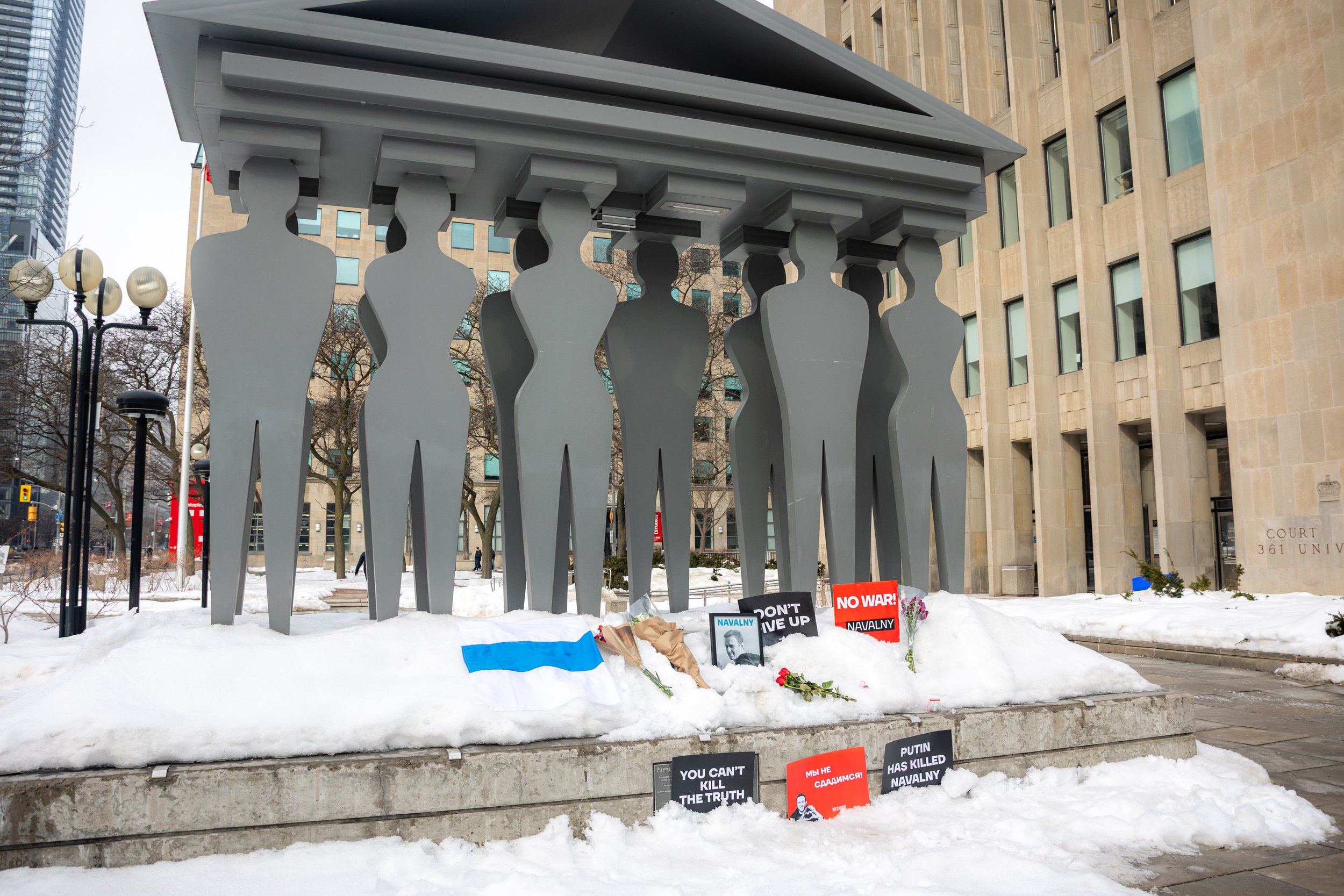
Today, February 16, 2026, marks two years since Alexei Navalny was killed in prison by the Russian government while he was serving a 19-year sentence for “extremism.” In honour of his death, the Anti-Corruption Foundation, established by Navalny and carried forward by his widow, Yulia Navalyna, called on their supporters to host memorials around the world in remembrance of him and his endlessly brave fight for a free Russia. What started as an investigative blog flourished into a registered organization conducting national campaigns against Russia’s corrupt politicians responsible for embezzlement, election fraud, theft, and other significant conflicts of interest that impede upon democracy and freedom of Russian people.
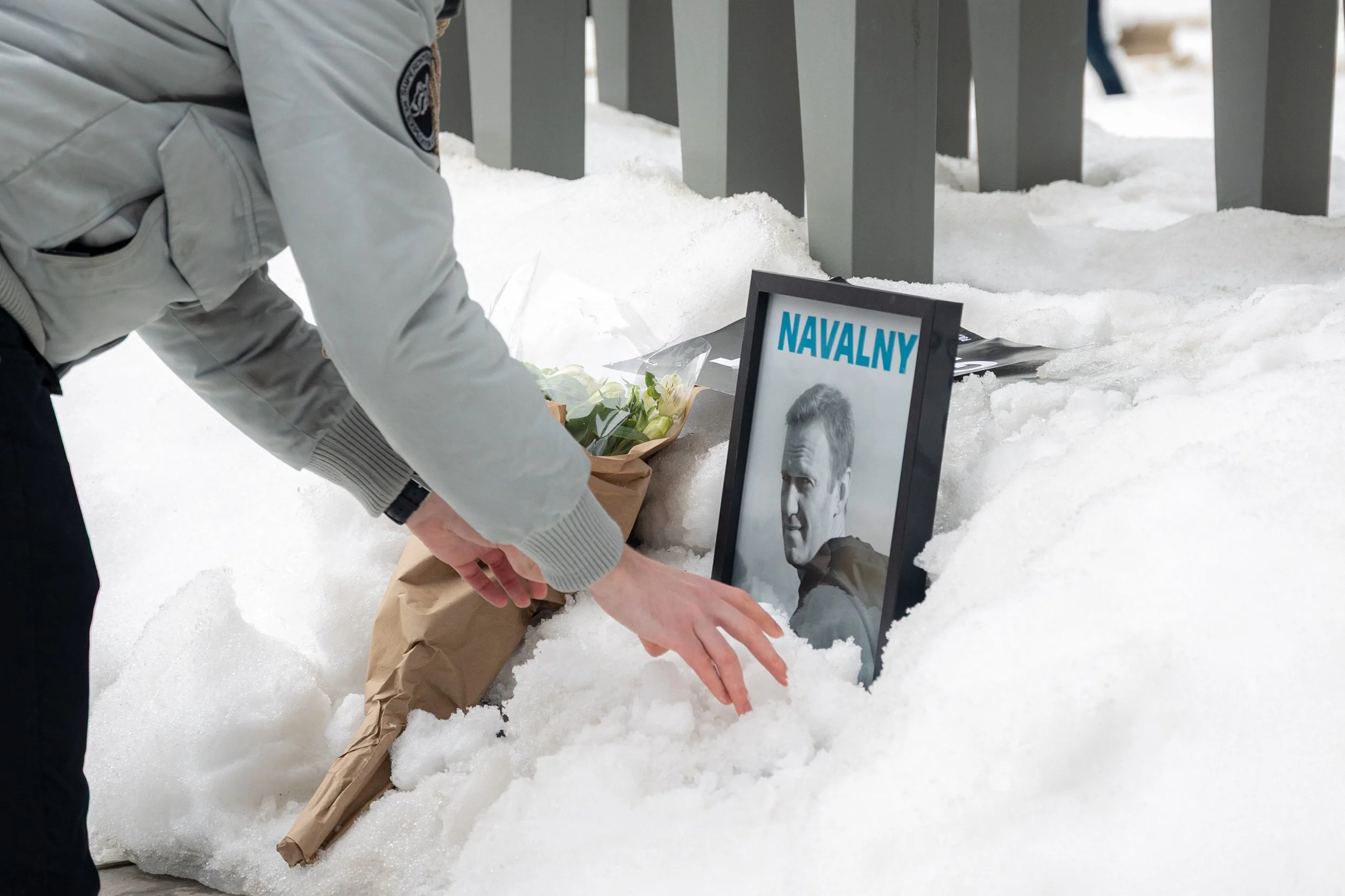
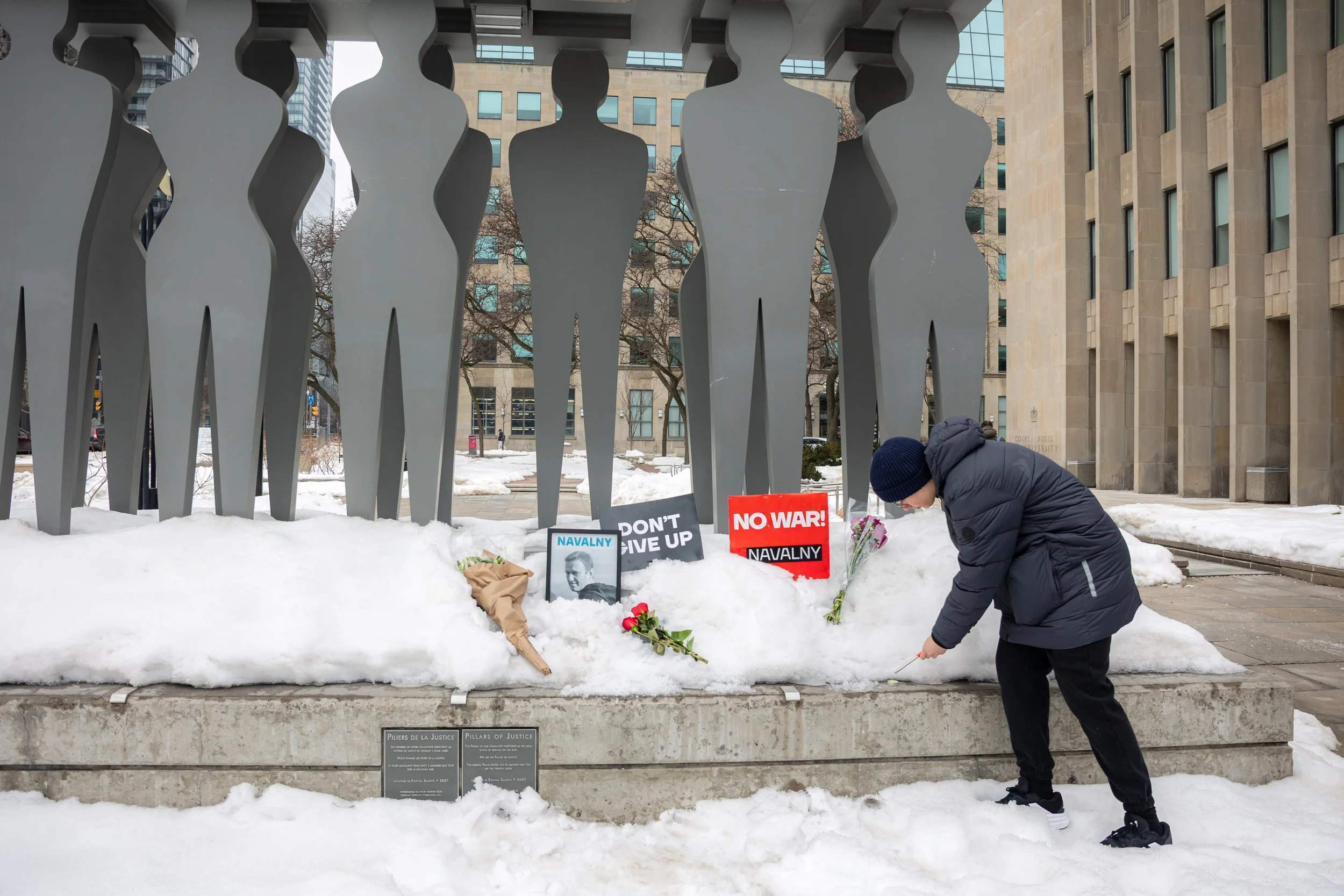
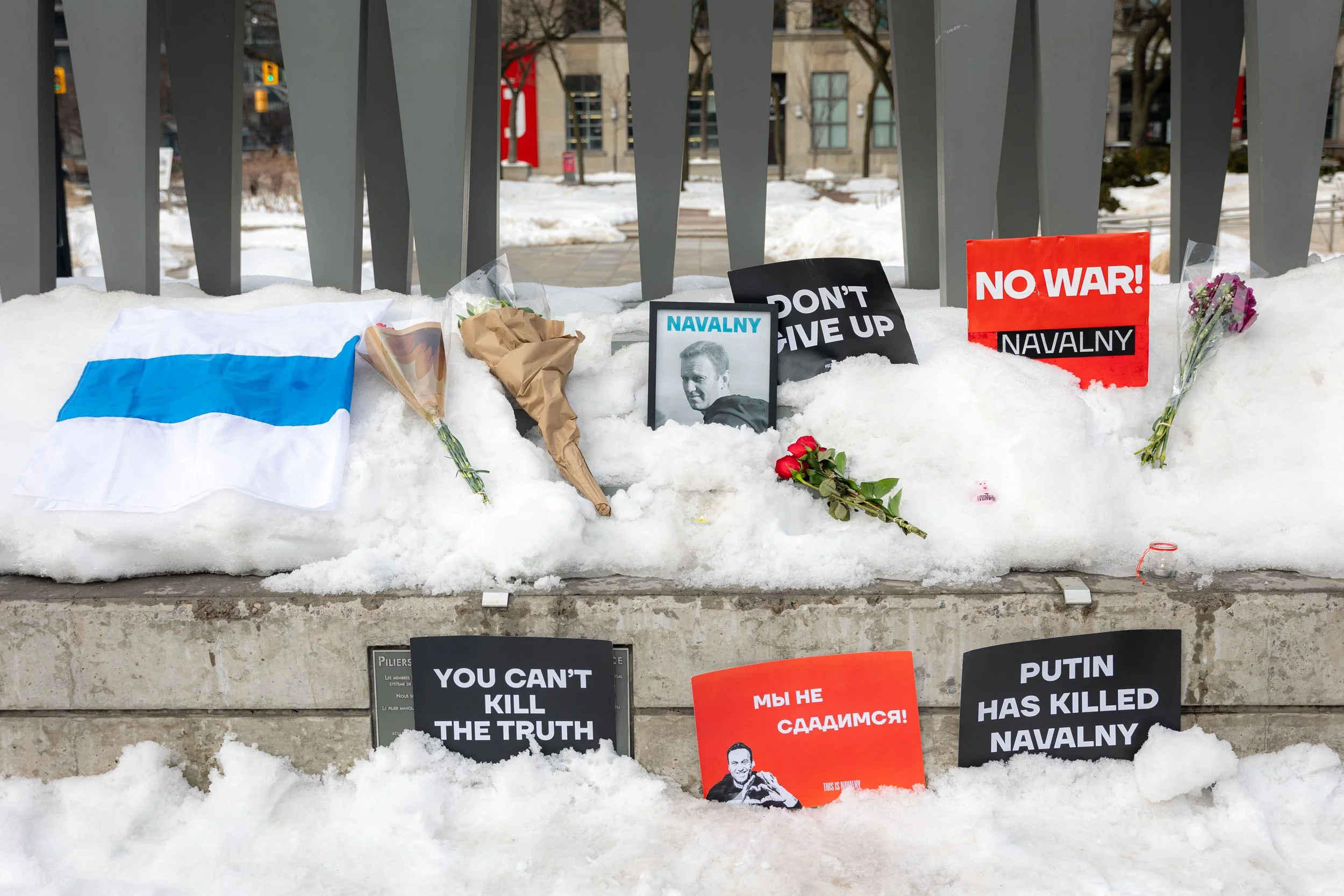
Having read Navalny’s memoir last year, I was eager to attend his memorial, touched by the few who came to place flowers and signs around his portrait and speak words of hope and resilience. Multiple tributes were organized across 38 other countries as hundreds of Russians visited Navalny’s grave in Moscow. “He represented the interests of ordinary people who don’t agree. We are mourning,” one observer said to FRANCE 24.
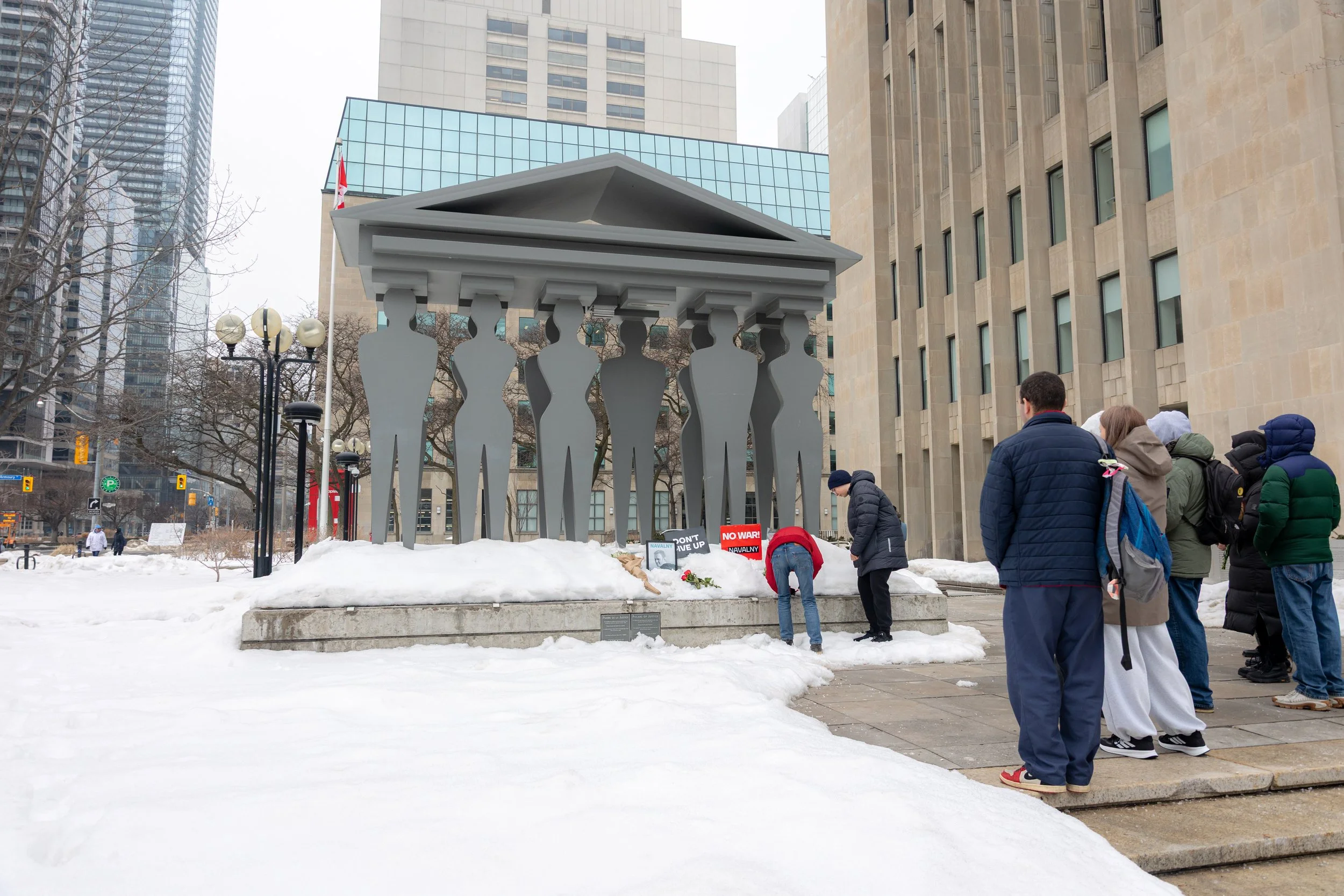
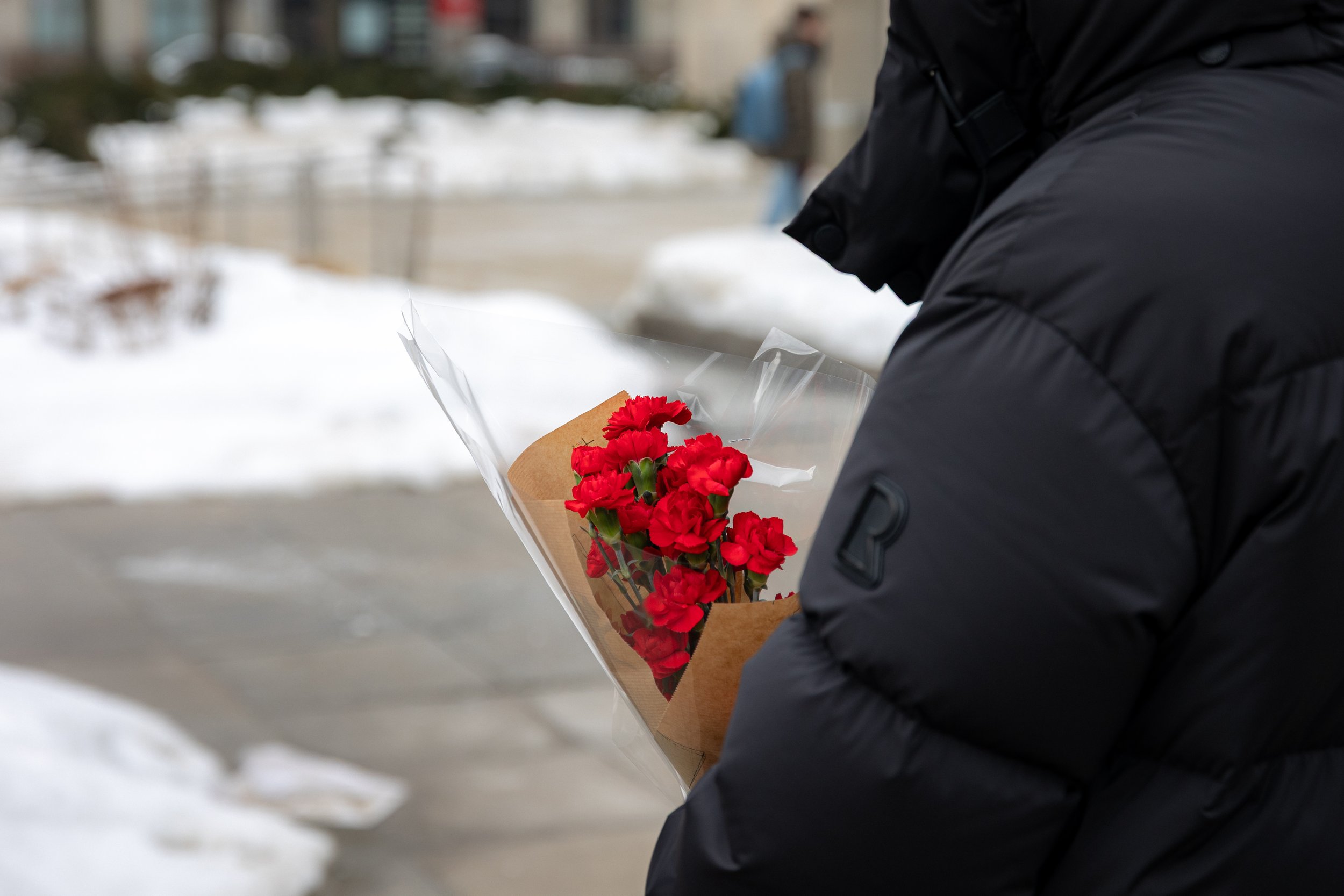
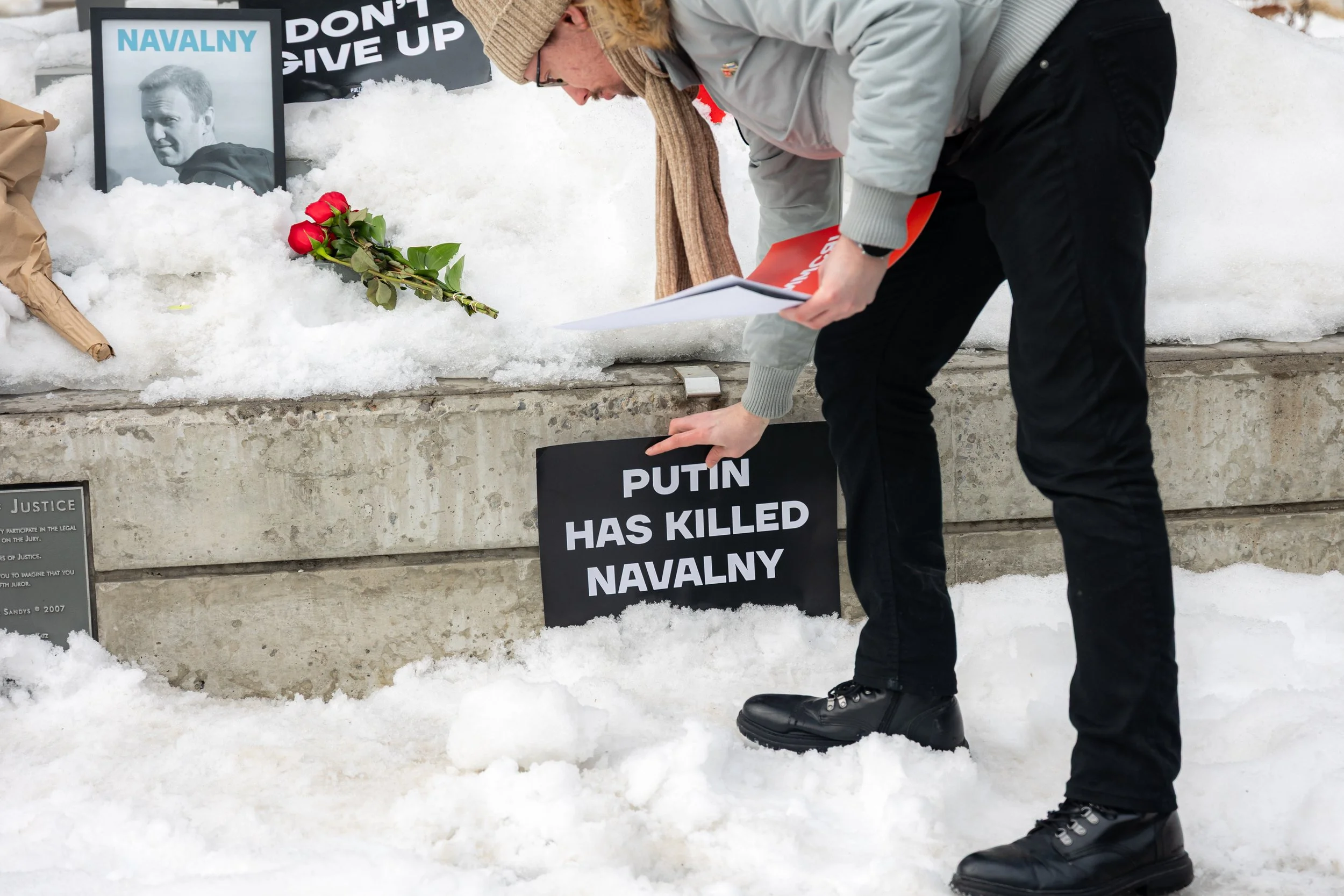
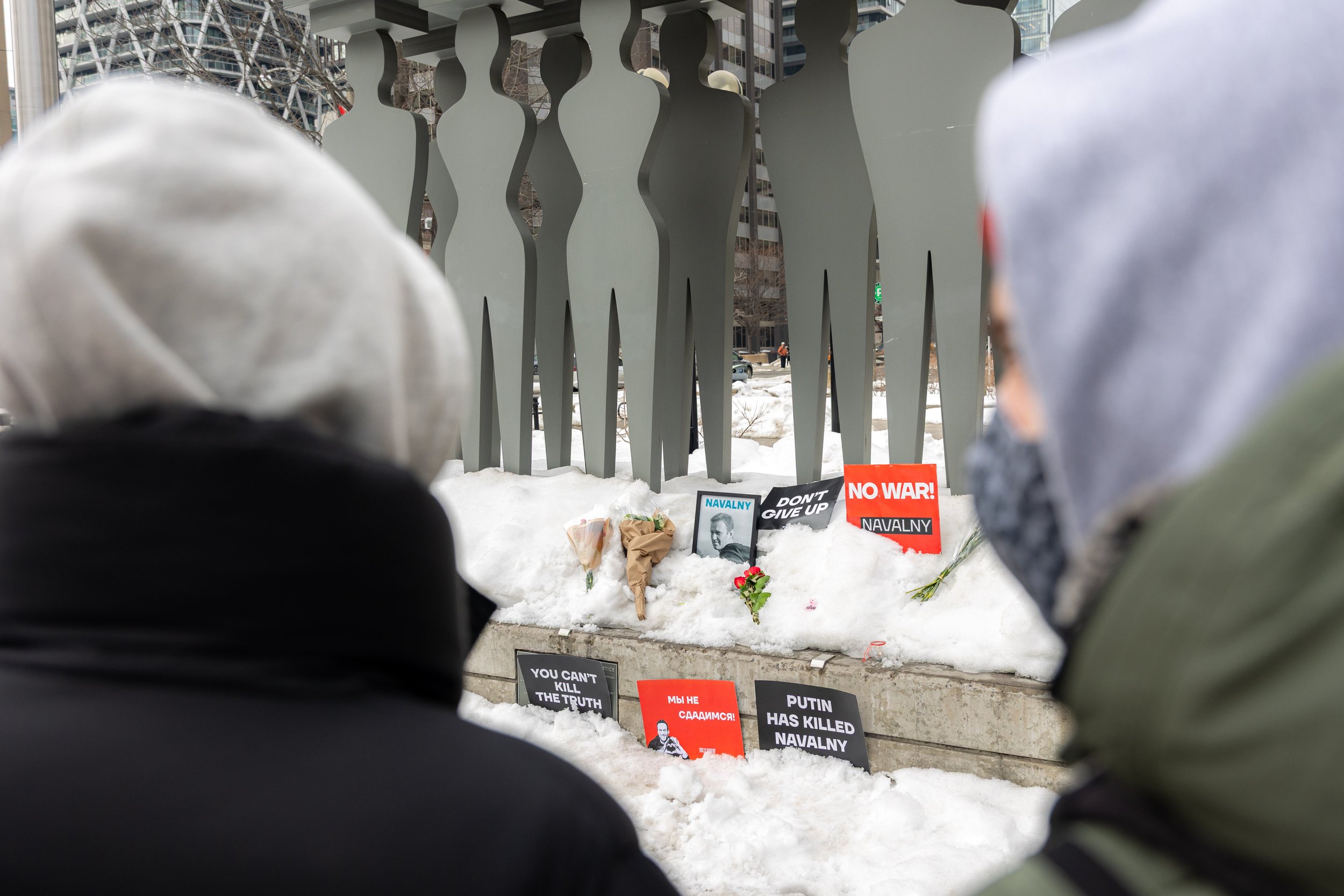
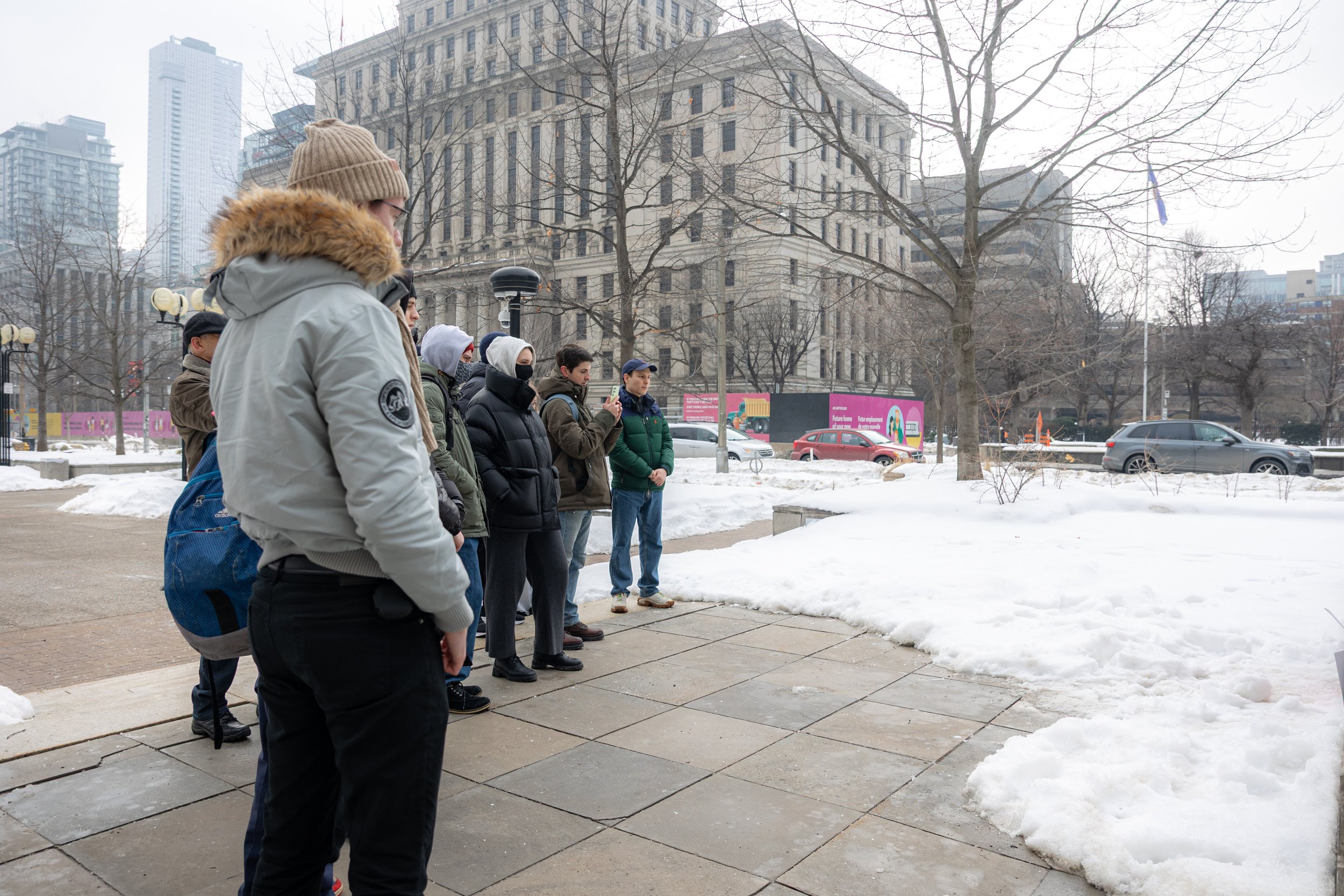
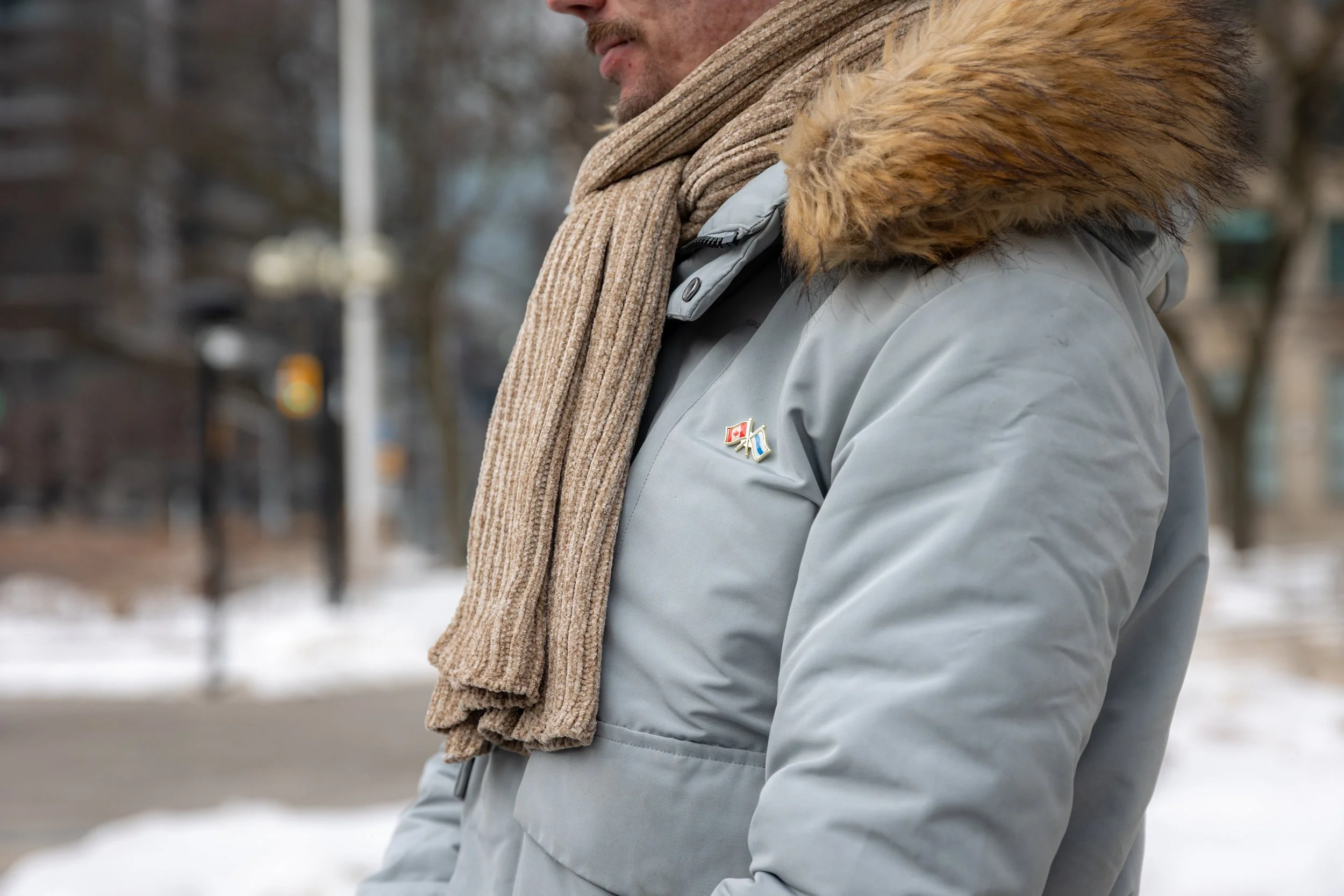
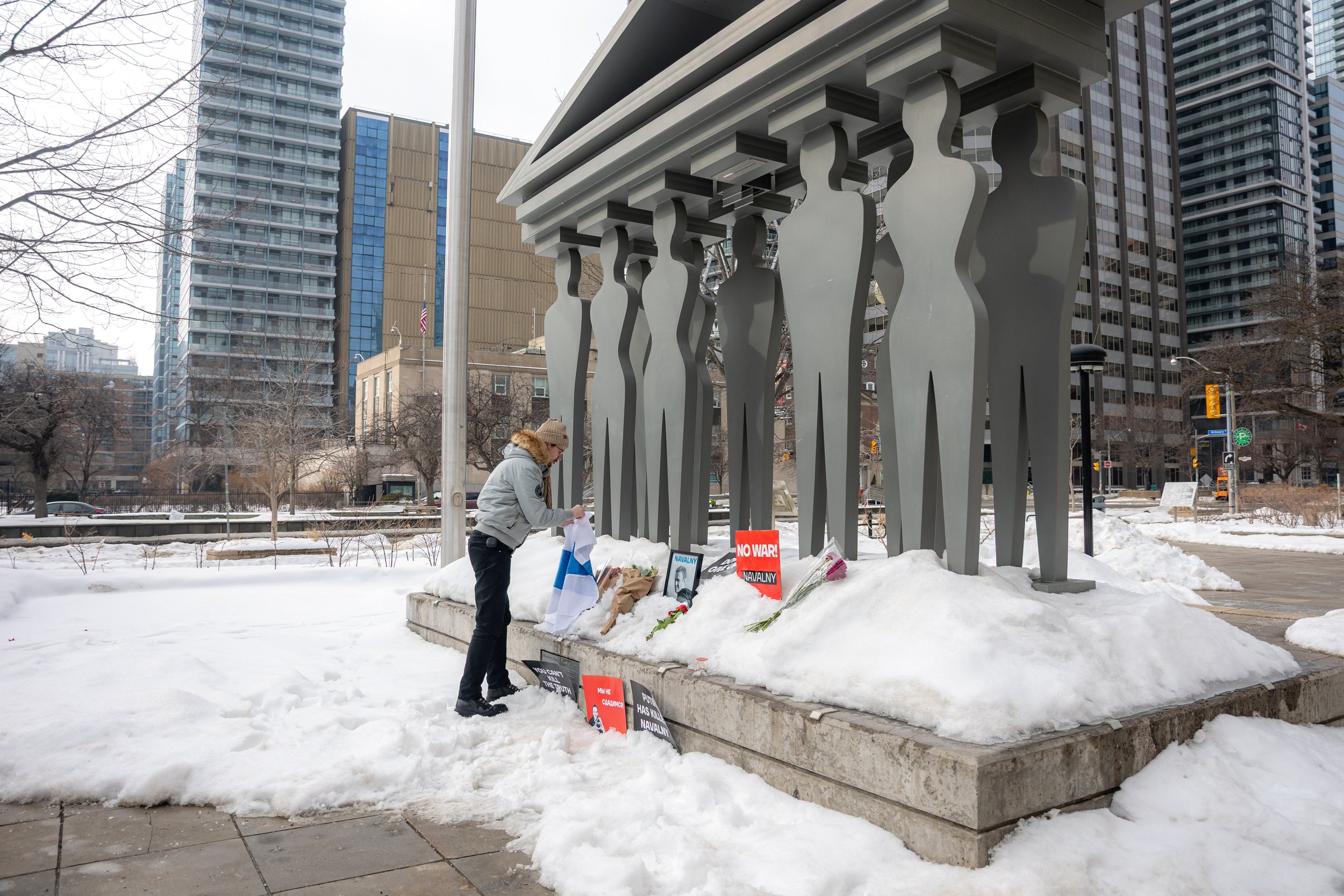
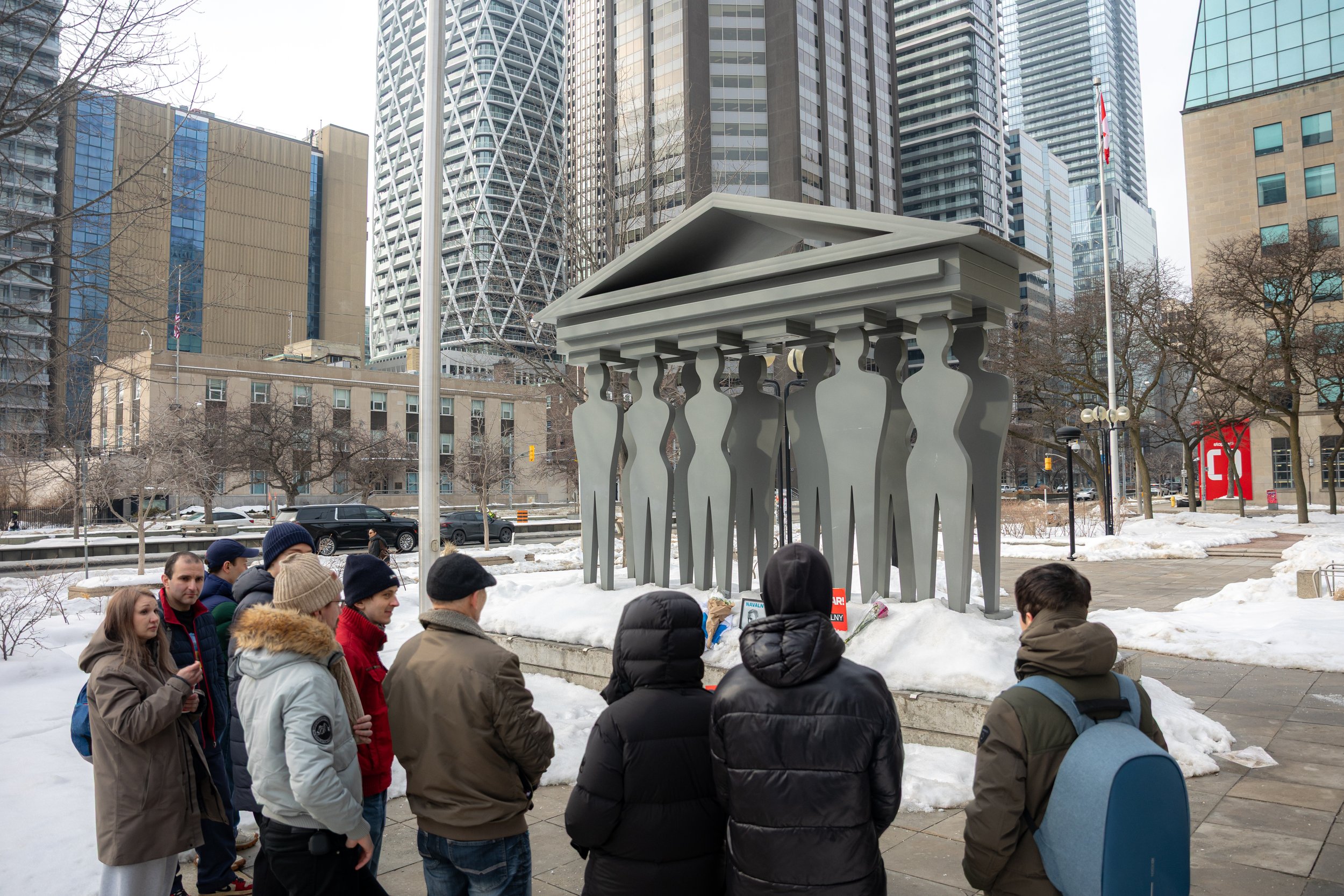
Over 7400 kilometres from Moscow, a dozen of us gathered at the Pillars of Justice statue outside Toronto’s courthouse and reflected on Navalny’s sacrifice. “Он был нашим командиром”—“He was our commander,” were the only Russian words I was able to understand, yet the mood sank into my heart. I teared up and hugged my mom, who attended with me. It was a powerful 40 minutes where we forgot about ourselves, our lives, and our troubles, and honoured an authentic and inspiring leader who worked tirelessly towards a united and peaceful future for his homeland.
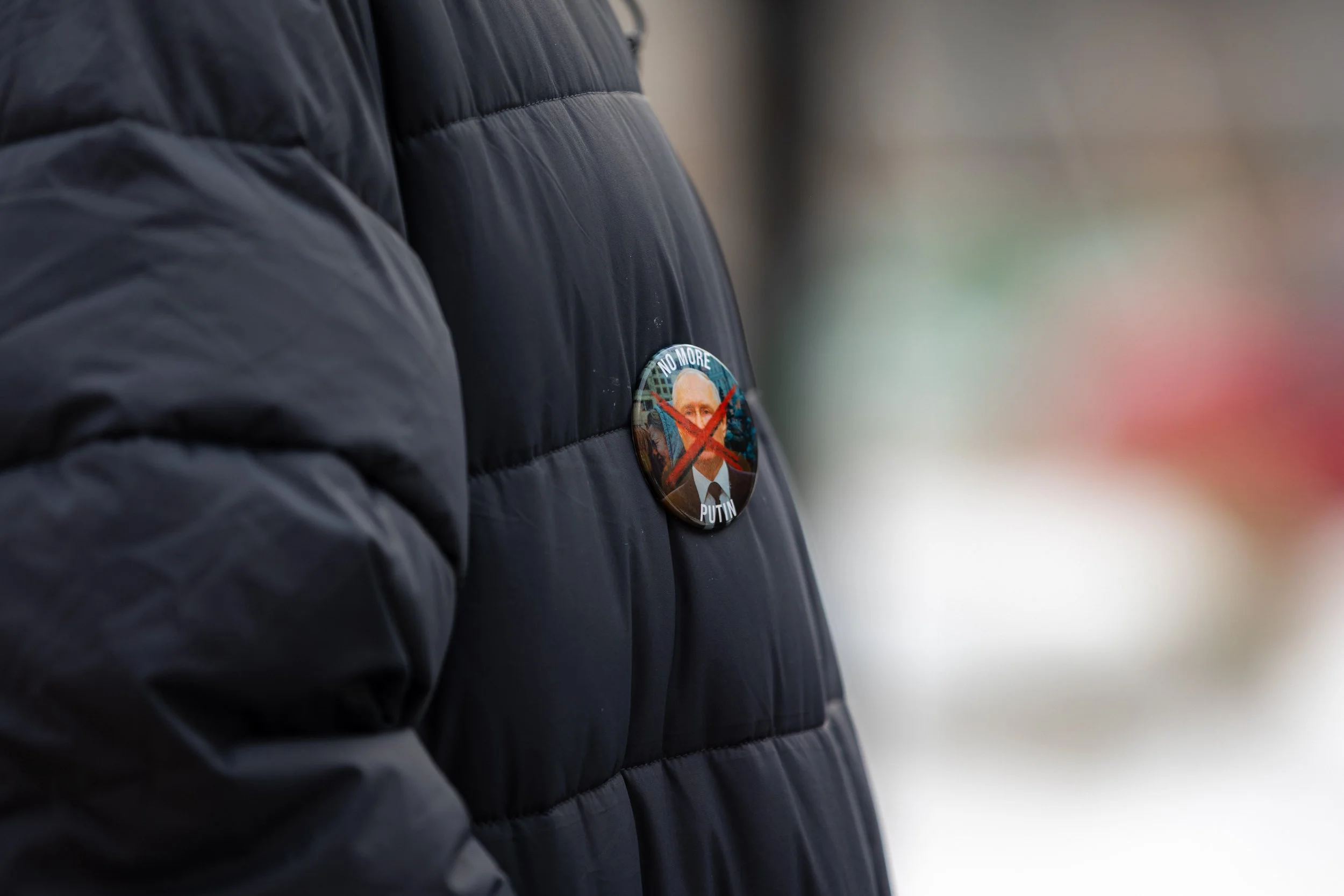
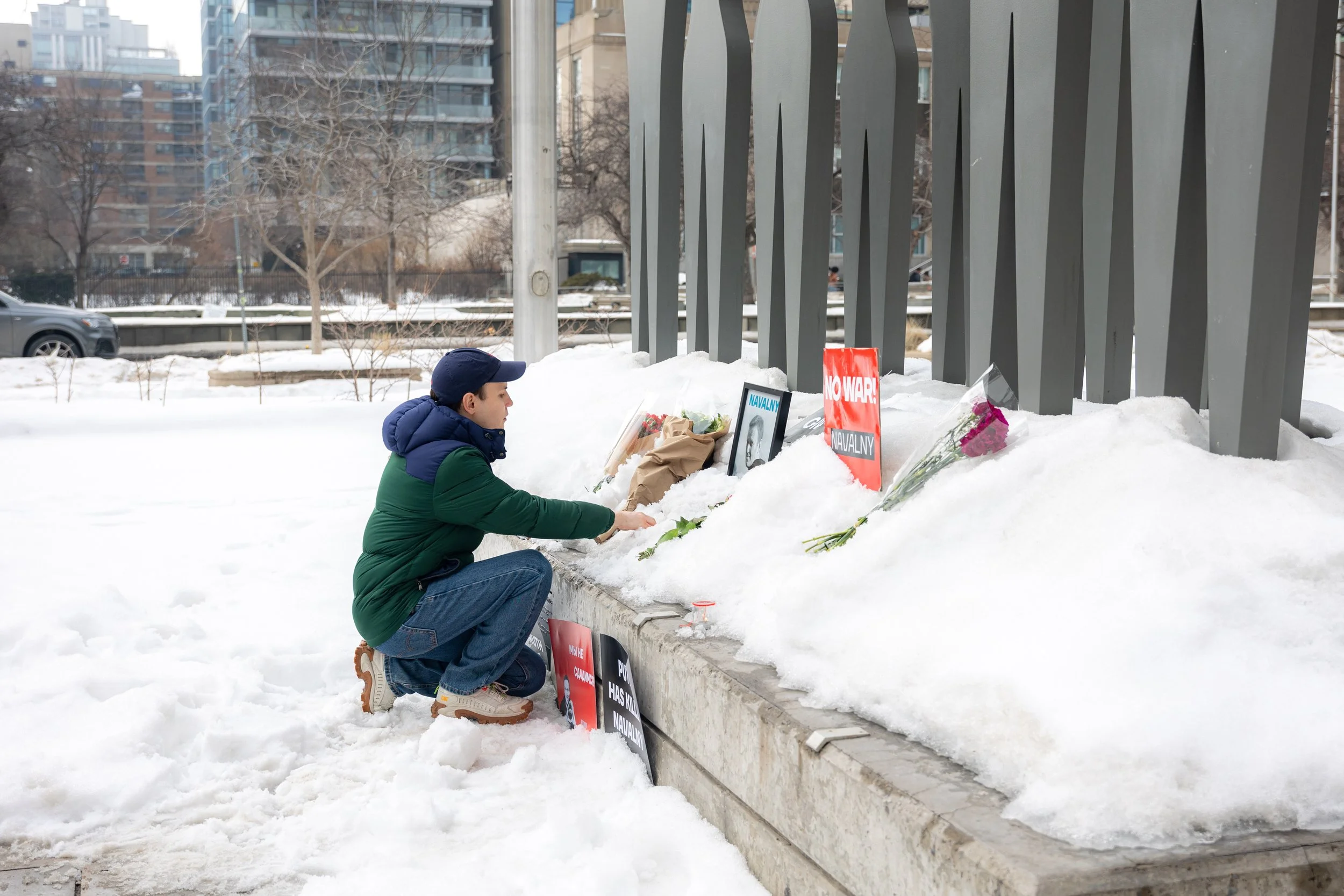
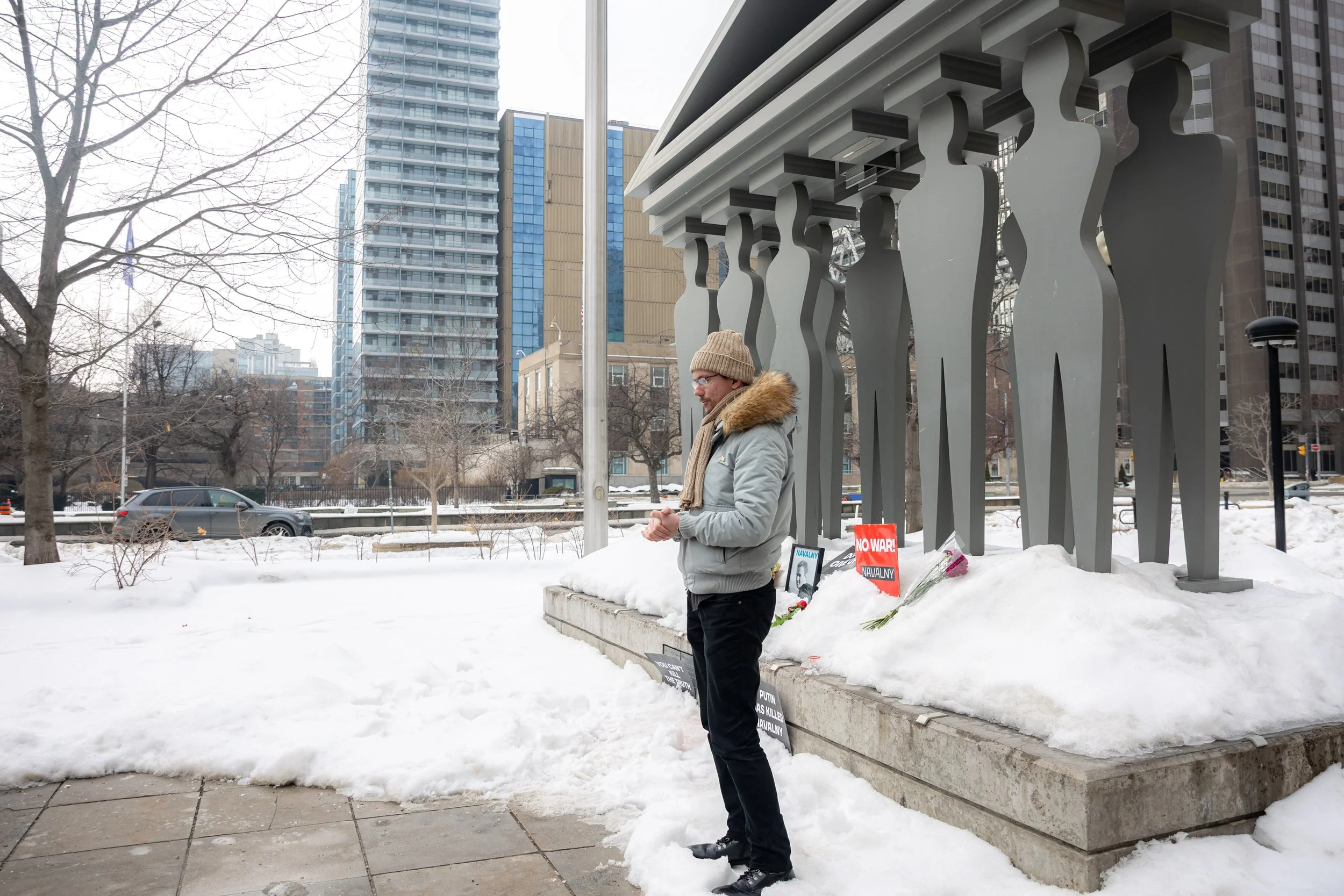
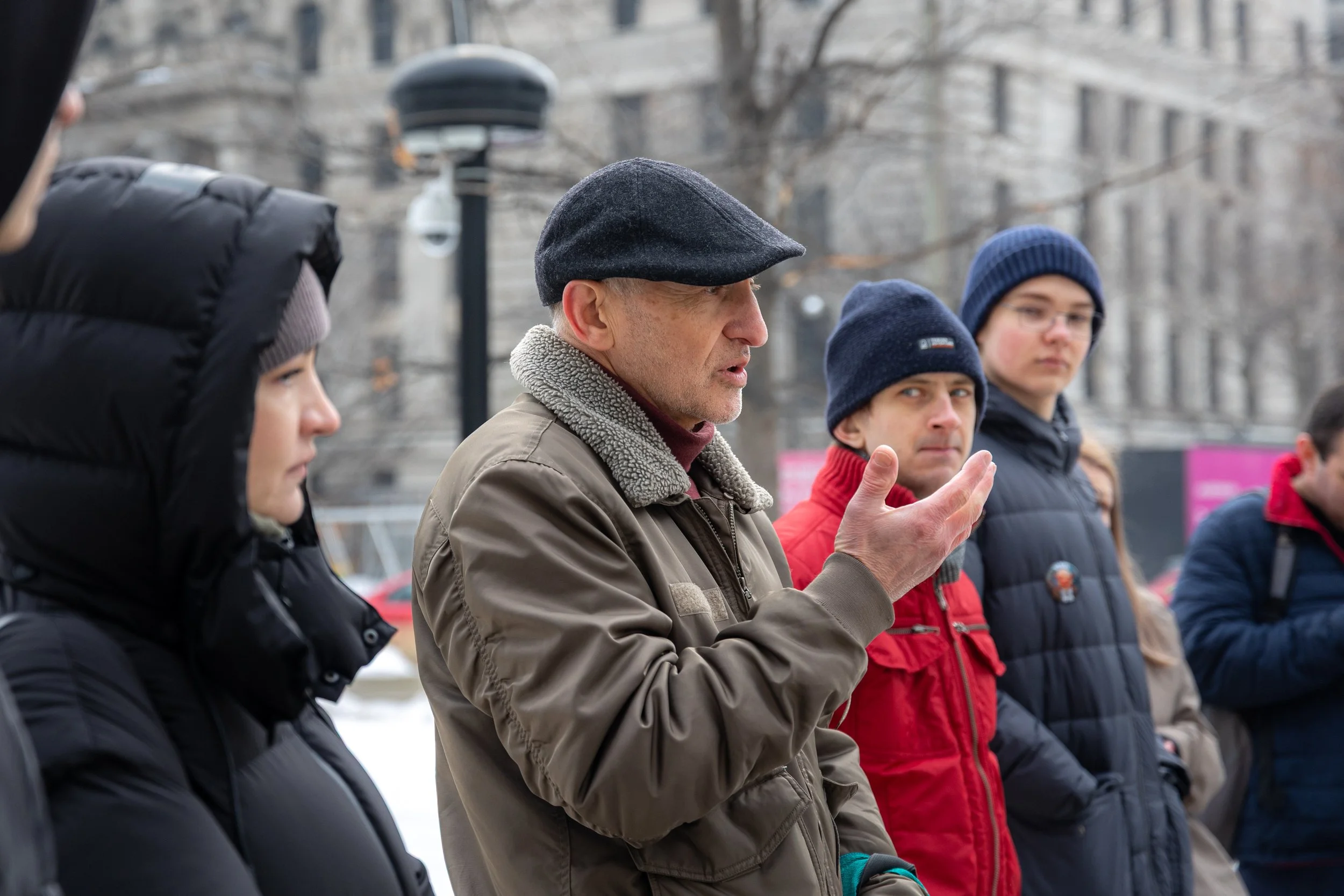
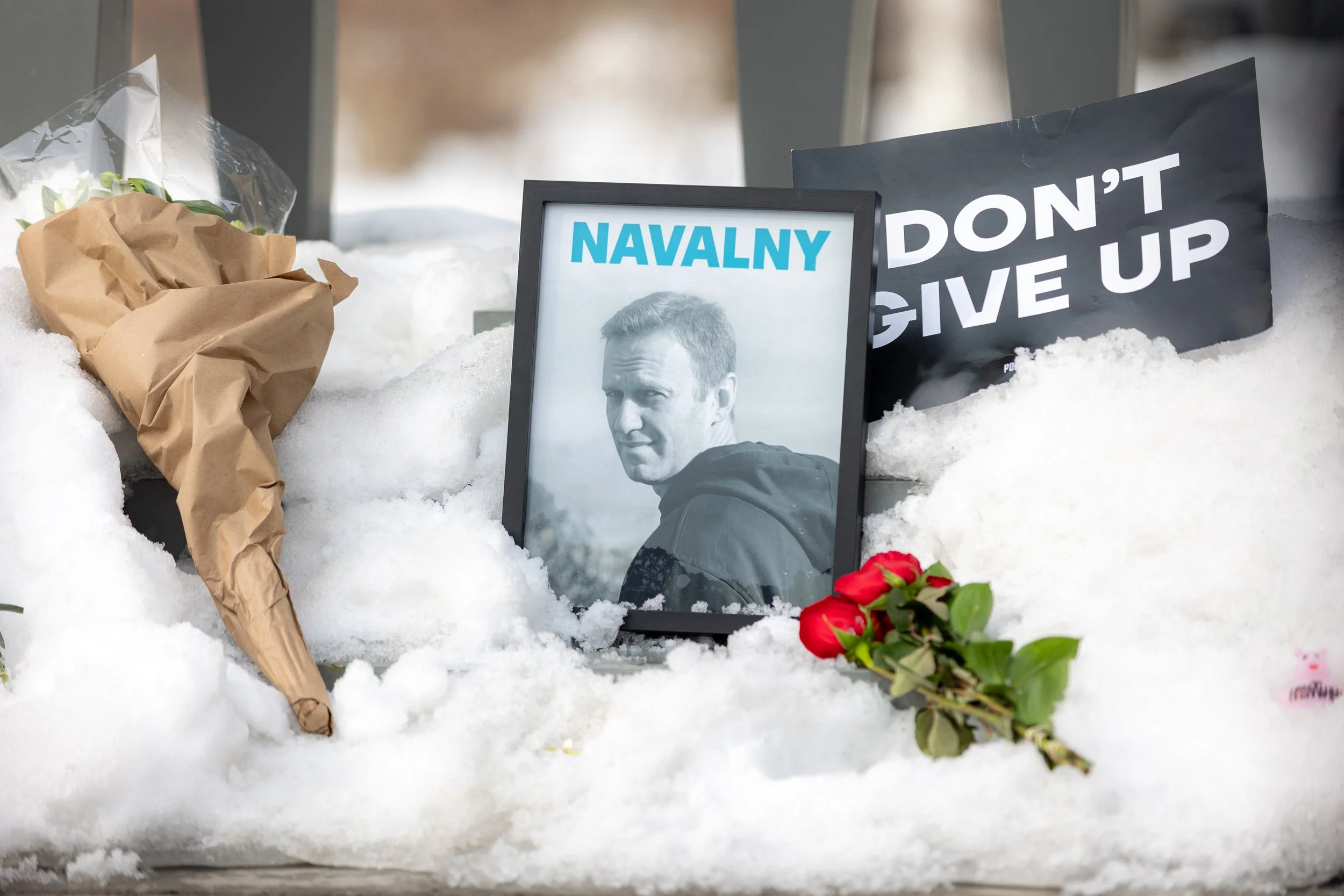
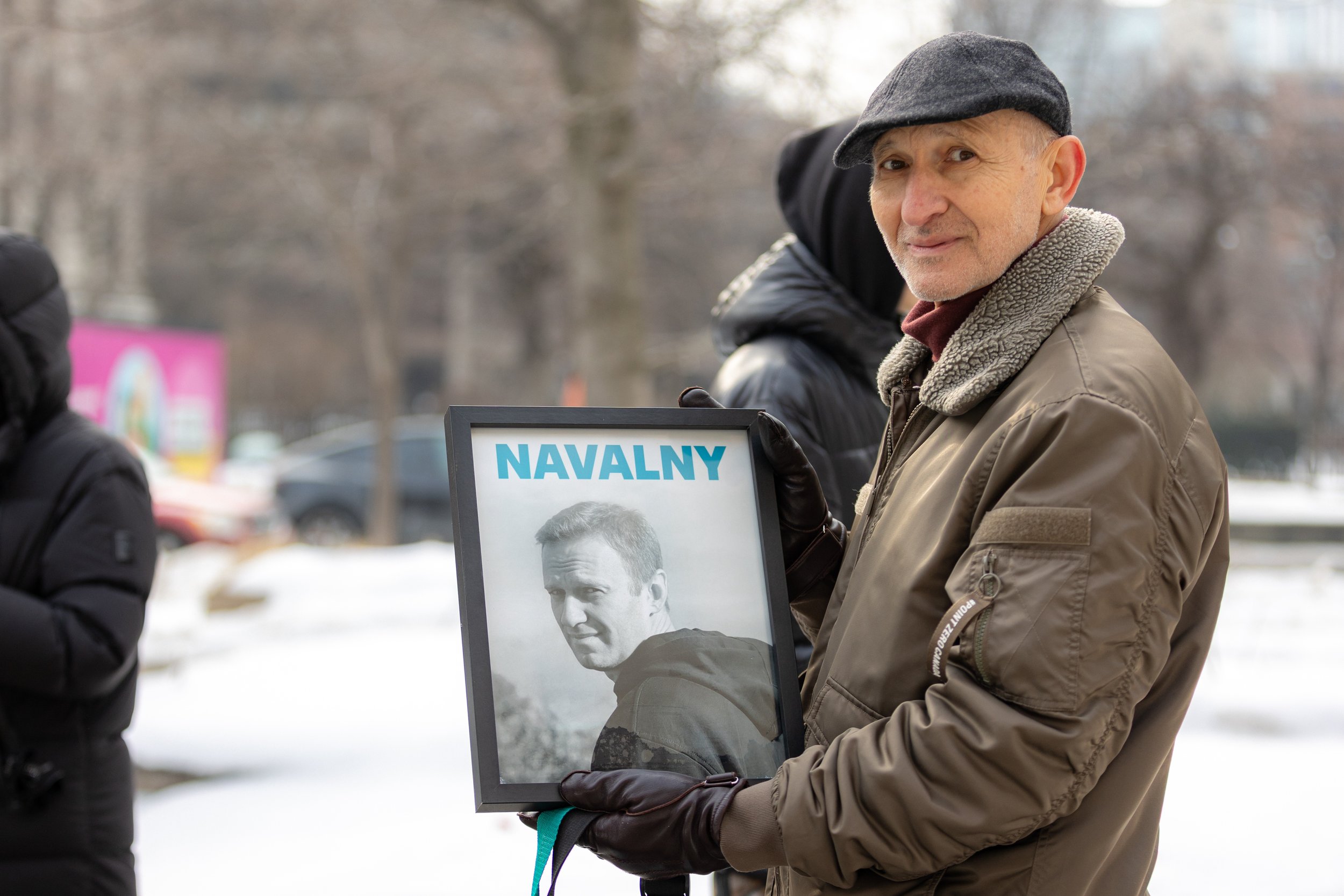
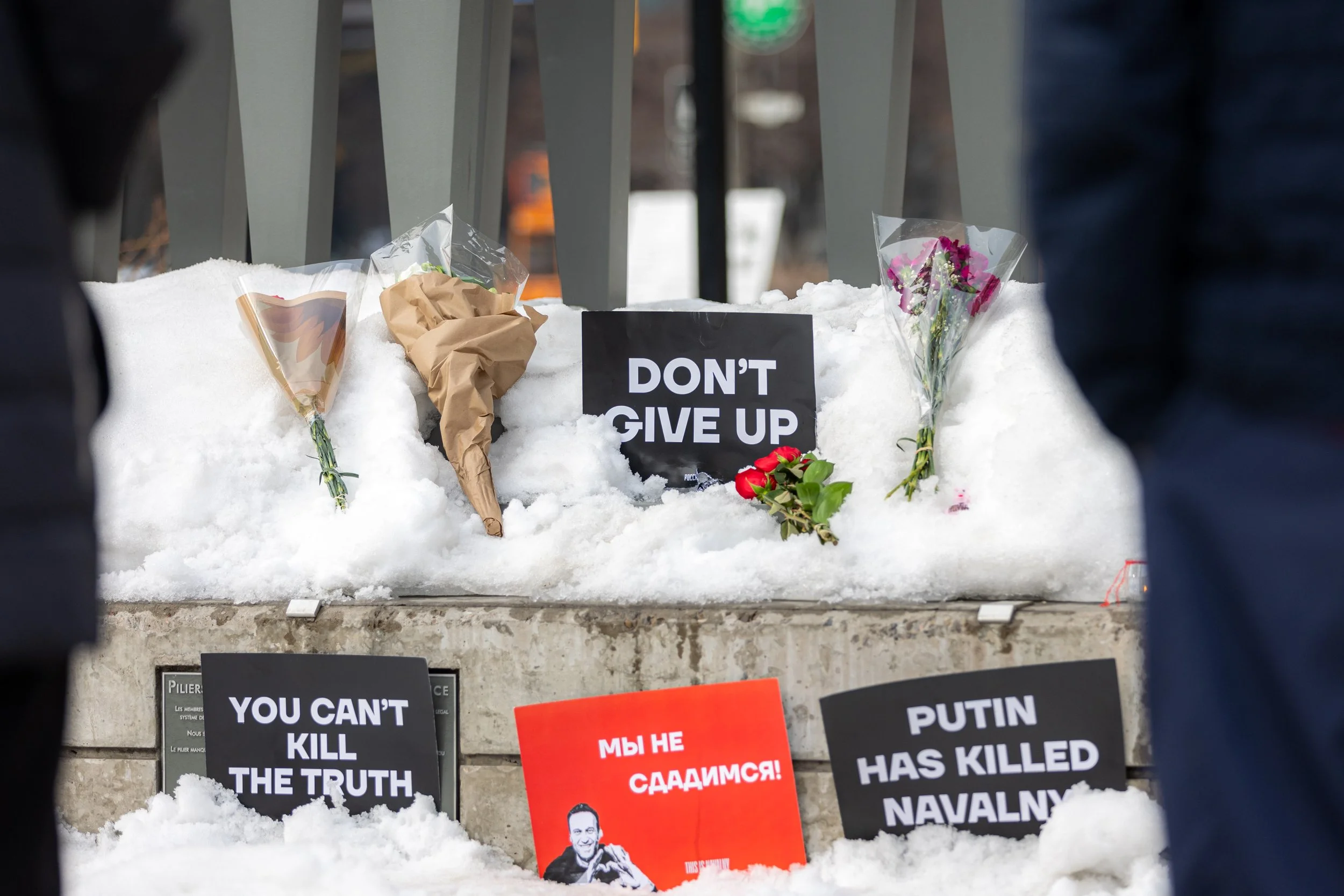
Born June 4, 1976, Alexei Navalny grew up in a variety of Moscow’s military towns as his father was an officer for the Soviet Union. While living in a garrison near Obninsk, Navalny recalls the first time he encountered Russian wrongdoing—in the backseat of his family’s car going through a radiation checkpoint. At age nine, Navalny came to realize the Soviet Union’s cover-up of the explosion at Chernobyl's nuclear power plant, downplaying the severity and scale of contamination for people living nearby, including Navalny’s relatives. “The standard and completely moronic response of the Soviet—and subsequently of the Russian—authorities to any crisis is to decide that it is in the interests of the population that they should be lied to endlessly” (Navalny, Patriot: A Memoir, 2024).
From the outset of his memoir, Navalny is beautifully articulate, engaging, and forthright in his storytelling. He offers incredible introspection to his country and its history and how he dedicated his life to advocating for a free and just Russia. He puts it most vividly in ways such as: “I once described the Beautiful Russia of the Future as a metaphysical Canada: a rich northern country with a low population density, where everyone lives well and is obsessed with philosophical reasoning.”
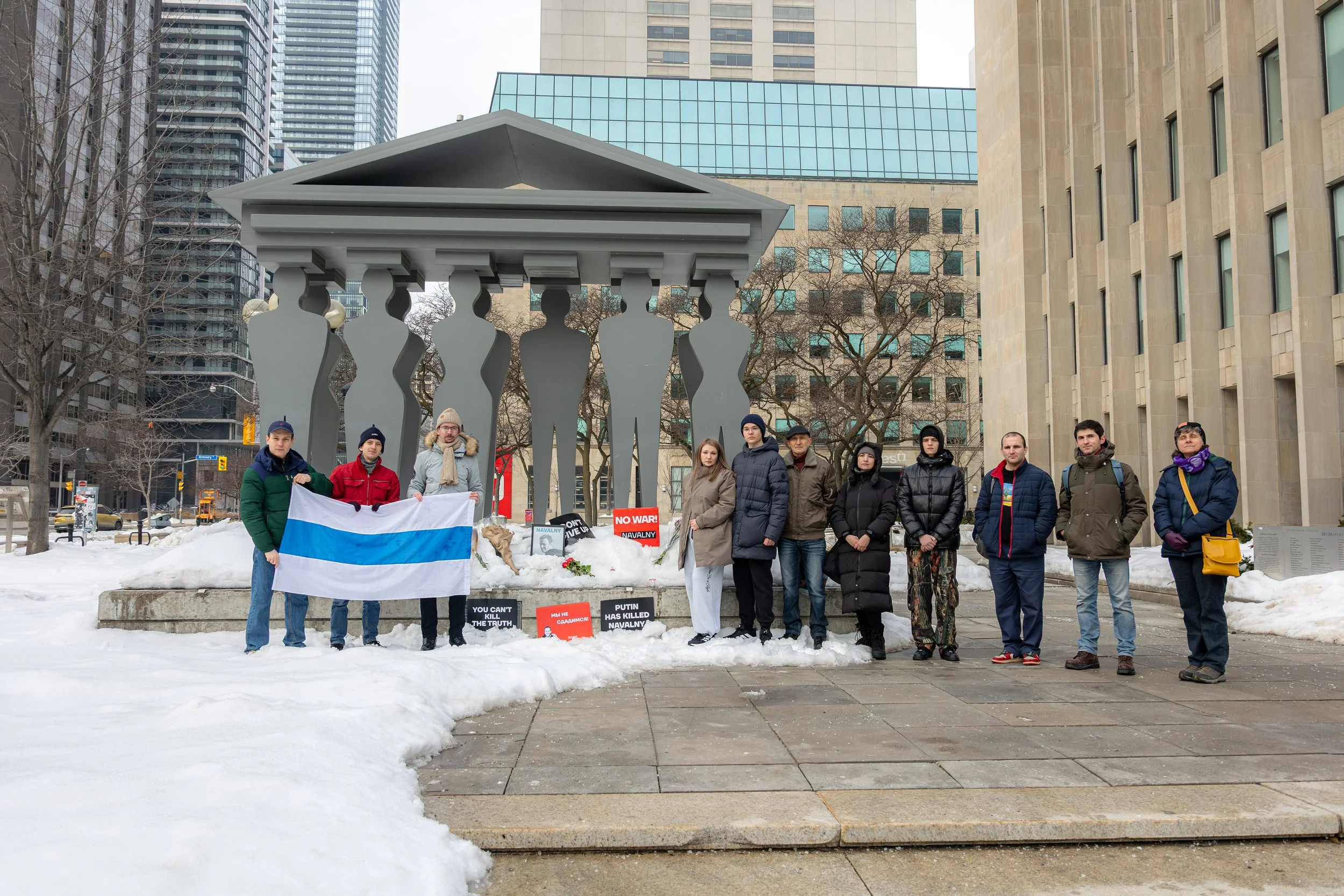
A photo of those who came to honour Alexei Navalny at the Pillars of Justice statue in Toronto, Ontario, Canada, on February 16, 2026. (Marina Black Media)
On February 16, 2024, Navalny was murdered—it was known from when it happened, yet Vladimir Putin tried to obscure the truth with the narrative that he died by “natural causes.” Yet two days ago at the Munich Security Conference, foreign ministers from the United Kingdom, Sweden, Germany, and the Netherlands, alongside Navalny’s wife, Yulia, announced that samples taken from Navalny’s body “conclusively confirmed the presence of epibatidine.” Found in the skin secretions of Ecuadorian poison dart frogs, epibatidine is a neurotoxin that can be synthesized artificially in a lab. “It is so powerful that even a microscopic amount can instantly kill anyone who comes into contact with it,” says Yulia in her video statement with the Anti-Corruption Foundation. Their conclusion: “Only the Russian government had the means, the motive, and the opportunity to use that toxin against Alexei Navalny in prison.” He was 47 years old.
Alexei Navalny (1976-2024)